


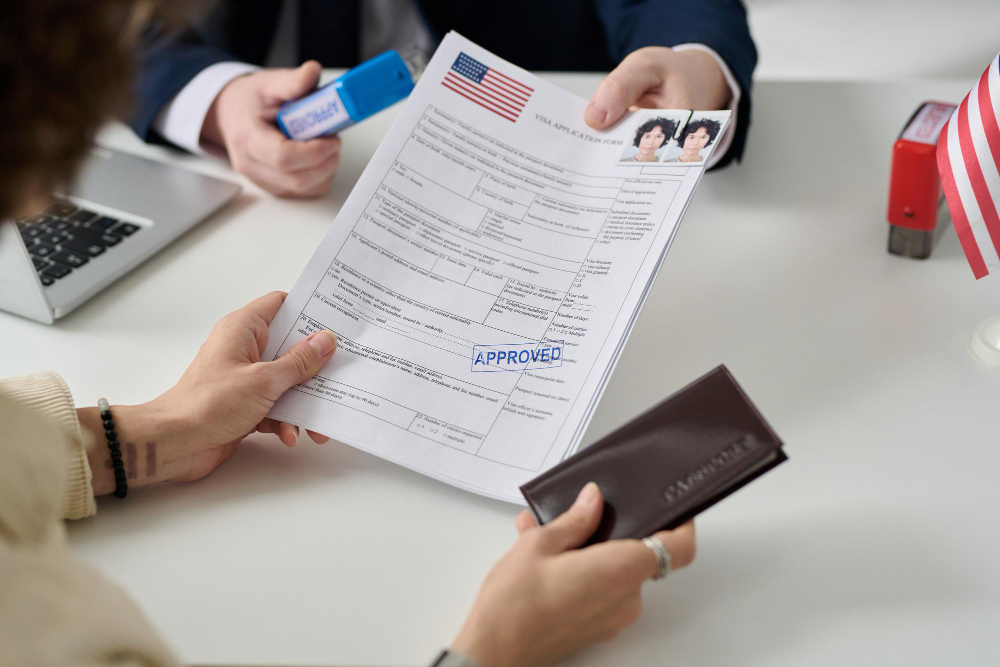
The US F1 visa interview is one of the most important steps in your study abroad journey. Many students feel nervous, not because the questions are difficult, but because they are unsure how to answer them correctly. The key to success is not memorizing answers, but understanding what the visa officer is actually evaluating—your intent, clarity, and confidence. Here are the most commonly asked F1 visa interview questions, along with expert guidance on how to answer them effectively.
US F1 Visa Interview Questions
1. Why Did You Choose This University?
This is one of the first and most important questions you’ll be asked.
What to avoid: Don’t give generic answers like “it’s a top-ranked university” or “it has good infrastructure.” These responses sound memorized and lack personal connection.
What to say instead: Focus on your goals. Talk about how the university’s curriculum, faculty, or specific courses align with your career plans. Mention unique features that directly relate to your field of study.
Tip: Make your answer personal, not general.
2. Why Do You Want to Study in the USA?
This question checks your intent and understanding of your chosen destination.
What to avoid: Avoid saying things like “the USA is the best country” or “it has top universities.” This can give the impression that you want to settle there permanently.
What to say instead: Explain how the education system, teaching style, research opportunities, or industry exposure in the US is better suited for your chosen field compared to your home country.
Tip: Be specific about academic benefits, not just the country.
3. Do You Plan to Return to Your Home Country?
This is a critical question. The F1 visa is a non-immigrant visa, so your answer matters a lot.
What to avoid: Never say you plan to stay in the US for jobs or permanent settlement. This can lead to immediate rejection.
What to say instead:
Clearly state that your goal is to gain knowledge and skills and use them to build your career in your home country. You can also mention plans like family business, job opportunities, or industry growth in your country.
Tip: Show strong ties to your home country.
Read More: How to Book an F1 Visa Slot: Complete Guide for Students
4. Who Is Sponsoring Your Education?
The visa officer wants to ensure that you can afford your education without financial stress.
What to avoid: Don’t hesitate or give unclear answers. Even if documents are not requested, you must know your financial details.
What to say instead: Clearly explain who is sponsoring you (parents, relatives, or a loan) and how your education is being funded. Be confident and specific about amounts and sources.
Tip: Know your finances thoroughly.
5. What Is Your Academic Background?
You may be asked about your previous education, subjects, or performance.
What to avoid: Avoid giving vague or incomplete answers.
What to say instead: Briefly explain your academic journey and how it connects to your chosen course.
Tip: Keep it clear and relevant.
6. Why Did You Choose This Course?
This question evaluates your clarity and career planning.
What to avoid: Don’t say you chose the course randomly or because others suggested it.
What to say instead: Explain your interest, background, and career goals, and how this course fits into your long-term plan.
Tip: Show a logical connection between past, present, and future.
The Secret to Cracking the F1 Visa Interview
Visa officers are highly experienced—they can easily identify memorized or fake answers. What they are really looking for is:
- Clarity of purpose
- Confidence in communication
- Genuine intent to study
The best way to prepare is by:
- Practicing mock interviews
- Researching your university and course deeply
- Speaking naturally instead of memorizing scripts
Read More: Tips to crack your USA Visa Interview?
Final Thoughts
The F1 visa interview is not about tricky questions, it’s about how clearly and honestly you present yourself. If you understand your goals, prepare your answers well, and stay confident, your chances of approval increase significantly. Remember, be genuine, be prepared, and be confident; that’s the real key to success.